
Central Heating Mains Flush in Rotherham and Barnsley
Central heating mains flush from £390 inc VAT in Rotherham and Barnsley. Mains-pressure clean for a system that is basically healthy. Up to 10 radiators.
Mains flush from£390up to 10 radiators, including VAT · Band A £420
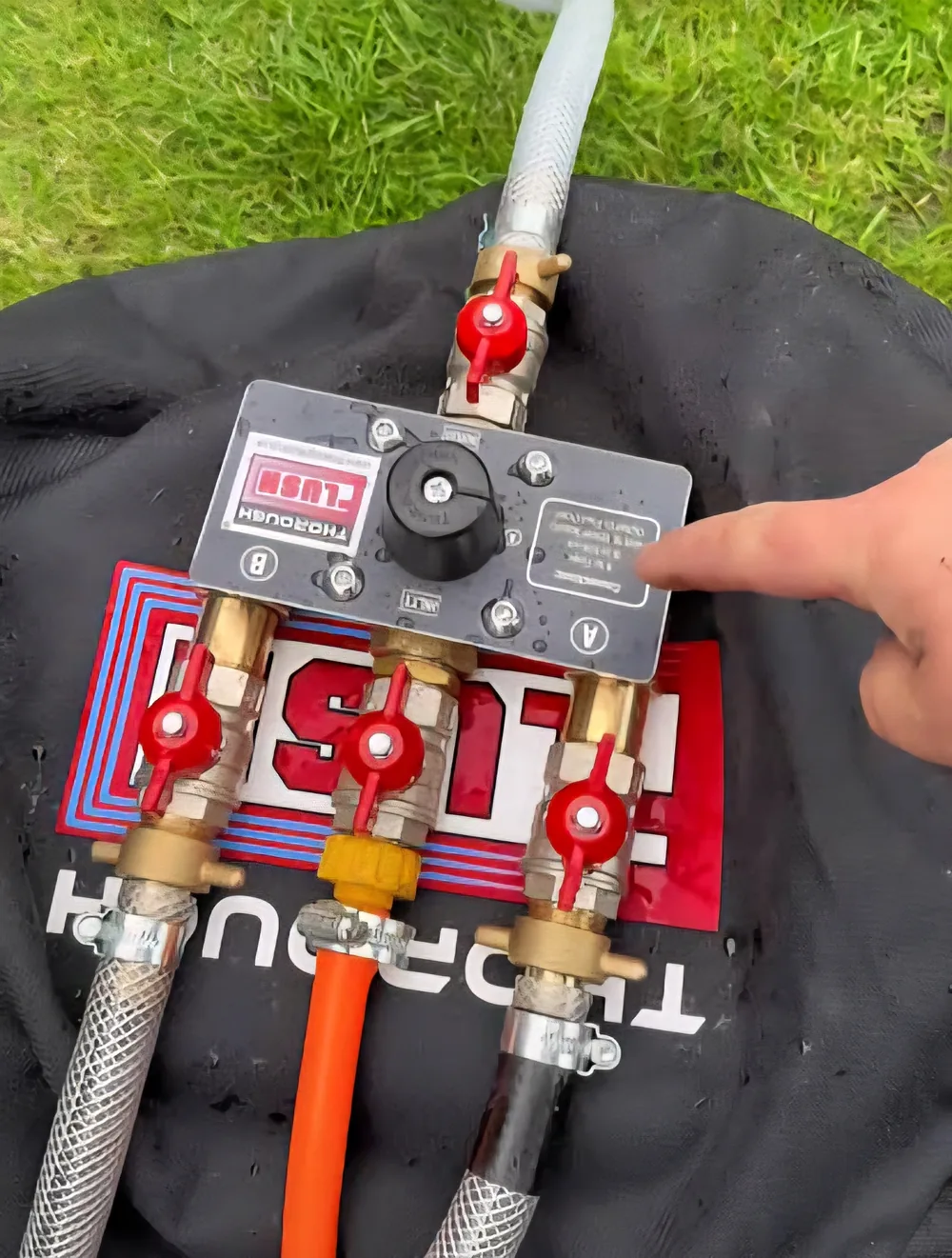
- Gas Safe registered 584578
- Heat Geek Assured
- 100+ 5-Star reviews on Google
- In the trade since 2009
- DBS checked
Mains Flush: The Entry-Level Clean for a Healthy System
What it costs
Three options, all flat prices covering up to 10 radiators and chemicals, which suits most homes:
| Standard | Band A | |
|---|---|---|
| Mains flush | £390 | £420 |
| Magnetic flush (MagnaCleanse) | £510 | £540 |
| Full power flush with MagnaCleanse | £750 | £780 |
If your system has more than ten radiators we quote the extra ones separately, and you'll know the figure before we start rather than after.
Check which rate band your postcode falls into on our rates page.
What a mains flush actually is
A mains flush uses your mains water pressure to push water through the heating system and out through a drain point, carrying loosened debris with it. Cleaning chemicals go in first to lift what's sitting in the pipework, then the flow does the work.
It's simpler than the other two. There's no pump forcing high-flow water backwards and forwards through each radiator, and no magnetic filtration pulling iron oxide out as it circulates. What you get is a straightforward clean-out of a system that isn't badly fouled.
That simplicity is the point. Less equipment, less time, less disturbance to old pipework — and a lower price.
When a mains flush is the right choice
This is the option for a system that's basically sound and needs freshening rather than rescuing.
- You're changing a few radiators and want the debris out before the new ones go on
- The system is relatively new — a few years old, no history of black water, no cold spots
- It was properly flushed in the last few years and you want to keep on top of it
- There's building dust or debris in the system after work in the property, rather than years of accumulated sludge
- You're on a tight budget and the alternative is doing nothing at all
If we get there and find the system is worse than expected, we'll tell you before we start rather than doing a mains flush that won't touch it and charging you for it anyway. You'd then have the choice of upgrading to a magnetic or full power flush on the day, or leaving it.
What a mains flush won't fix
Being straight about the limits matters more than selling the cheapest option.
A mains flush relies on water pressure alone. It won't shift sludge that's packed solid at the bottom of a radiator, and it won't clear magnetite coating a heat exchanger. If your system has been quietly corroding for twenty years, mains pressure isn't going to move what's in there.
Signs a mains flush isn't enough:
- Several radiators cold at the bottom rather than the top
- Black water when you bleed, rather than brown or discoloured
- Kettling — a rumbling or popping noise from the boiler
- Original cast iron radiators on 1960s or 70s pipework
- The boiler short cycling, switching on and off more than it used to
Any of those and you're looking at a magnetic flush at £510 or a full power flush at £750. We test the system water and check flow before recommending anything, so you're not guessing — and we'd rather send you up a tier than take £390 for a job that won't work.
Before you book anything, try this
Not every cold radiator needs a flush of any kind.
Air rises, sludge settles. If one radiator is cold at the top and hisses when you bleed it, that's trapped air — a radiator key sorts it in five minutes and costs you nothing. If it's cold at the bottom, or cold across the whole panel while the others run fine, that's sludge, and bleeding won't touch it.
We'd rather tell you that than send someone out for a job you could do yourself.
What happens on the day
- We isolate the boiler and connect to the system, usually at a radiator valve or drain point
- Cleaning chemicals go in and circulate to lift loose debris and light scale
- Mains pressure water is run through the system, pushing debris out through the drain
- Each radiator is checked for flow as we go
- The system is refilled with fresh, treated water and inhibitor added
- We check pressure, bleed the radiators and confirm the boiler fires correctly
Most mains flushes take a few hours rather than a full session, and your heating goes back on the same day.
We're Gas Safe registered (No. 584578), and every connection to your boiler gets checked before anything is switched on. Our engineers work Monday to Friday, 8am to 4pm.
Older systems still need checking first
Plenty of the housing around Rotherham, Barnsley and the Dearne villages still has pipework from the 1960s and 70s behind the plaster, and older systems often mix metals — cast iron radiators next to copper pipe next to a galvanised section someone added decades back.
A mains flush is the gentlest of the three, which is part of why it suits older pipework. But gentle doesn't mean we skip the checks. We look at joints, pipe wall condition and radiator corrosion before connecting anything, because a system that's already weak is a system worth knowing about before water starts moving through it at pressure.
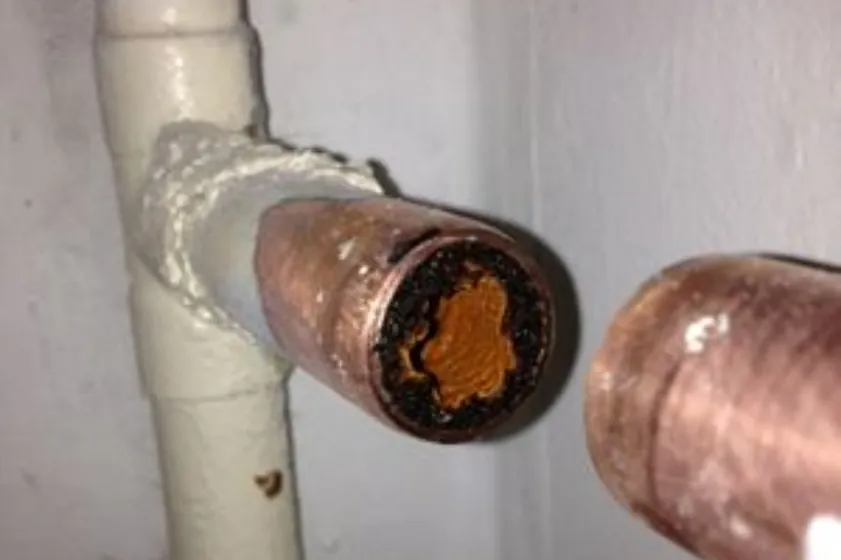
What our customers say
Service
Quality work explained everything Need some further work sorted that out got parts and booked the job in next day Really nice bloke , courteous and pleasant
Annual service to 2 boilers
I have used Uber for the last 5 years, initially for boiler installation and therafter for annual servicing and to flush the system a couple of years ago. Chris is always very professional and thorough in the work he carries out.
Our area
We flush, repair and maintain heating systems across Rotherham, the Dearne Valley and Barnsley (S60 to S66 and S70 to S75), Doncaster (DN1, DN2, DN4, DN5 and DN6) and north and east Sheffield (S4, S5, S9 and S35), all at our standard rate. Further out, Chesterfield, Worksop, Wakefield, Pontefract and Castleford, and the rest of Sheffield outside the city centre, are the same work on our Band A rate, 10% higher for the travel. Ring 07851 911574 with your postcode and we’ll tell you which applies.
Standard rate
- S60
- S61
- S62
- S63
- S64
- S65
- S66
- S70
- S71
- S72
- S73
- S74
- S75
- DN1
- DN2
- DN4
- DN5
- DN6
- S4
- S5
- S9
- S35
- DN12
- WF9
Band A: same work, 10% added for travel
- S7
- S8
- S10
- S11
- S12
- S13
- S14
- S17
- S20
- S21
- S26
- S36
- S25
- S18
- S32
- S33
- S40
- S41
- S42
- S43
- S44
- S80
- S81
- NG20
- DN10
- DN11
- DN22
- DN3
- DN7
- DN8
- DN9
- DN21
- WF1
- WF2
- WF3
- WF4
- WF5
- WF6
- WF7
- WF8
- WF10
- WF11
- HD8
- HD9
Related services
Frequently Asked Questions
How much does a mains flush cost?
£390 including VAT at standard rate and £420 in Band A. That's a flat price covering up to 10 radiators and chemicals, which suits most homes. If your system has more than ten radiators we quote the extra ones separately, and you'll know the figure before we start rather than after.
What's the difference between a mains flush and a power flush?
A mains flush uses your mains water pressure to push chemicals and loosened debris out through a drain point. A power flush uses a pump to force high-flow water through each radiator in both directions, with MagnaCleanse running alongside it. The mains flush is quicker, gentler and cheaper at £390; the power flush clears far more at £750. Which you need depends on how fouled the system actually is, not on budget alone.
Is a mains flush enough for my system?
It depends what's in there. A mains flush suits a system that's basically healthy — relatively new, no black water when you bleed, no radiators cold at the bottom. If several radiators are cold at the bottom, the water runs black, or the boiler is kettling, you'll need a magnetic flush or a full power flush instead. We test the system water and check flow before recommending either, so you're not paying for the wrong job.
Will a mains flush fix a cold radiator?
If the radiator is cold because of loose debris sitting in the system, often yes. If it's cold because sludge has packed solid at the bottom of the panel, no — that needs the mechanical force of a power flush. And if it's cold at the top rather than the bottom, that's trapped air, and a radiator key will sort it in five minutes for nothing.
Do I need a mains flush when changing radiators?
It's worth it. Taking radiators off and putting new ones on disturbs whatever's been sitting in the system, and flushing at the same time stops that debris ending up in the new panels or the boiler. It's the most common reason we do mains flushes rather than the heavier options — the system isn't in trouble, it's just been opened up.
Can I have a mains flush before a new boiler?
Only if the system genuinely doesn't need more. Most manufacturers require the system cleaned for the warranty to stand, and on an older system that means a power flush with MagnaCleanse rather than a mains flush — fitting a new heat exchanger to a system full of magnetite puts it straight back into the conditions that damaged the last one. On a newer system in good order, a mains flush can be enough. We'd tell you which before quoting.
Before booking, please read our system flushing disclaimer.
Talk to the office team
Office open Monday to Friday 8am to 6pm, and Saturday 8am to 12pm. Tell us what's going on and we'll book the right visit, in a weekday 4-hour slot: 8am to 12pm, 10am to 2pm or 12pm to 4pm.